
Facilities That Present Well Consistently
Commercial Janitorial Services in Billings for businesses and facilities needing dependable cleanup support
Montana's seasonal event calendar and year-round business operations create ongoing demand for commercial spaces that stay clean despite heavy use, yet many businesses struggle to maintain janitorial consistency when relying on staff already stretched across operational roles. LP Services Hauling & Installing provides commercial janitorial services built on hands-on cleanup experience, including work completed for local fairground and concert facilities where post-event conditions demand thorough attention. You need this when lobbies, restrooms, floors, and common areas reflect traffic volume rather than your standards, and when cleaning quality affects how clients, customers, or visitors perceive your operation.
The service involves scheduled cleaning that addresses floors, surfaces, restrooms, trash removal, and other tasks you specify, with exact frequencies and recurring arrangements remaining flexible until property specifics and service needs get confirmed. Dependability matters because inconsistent cleaning creates compounding problems rather than isolated lapses.
Discuss property size, service needs, and scheduling to determine how janitorial support fits your facility.
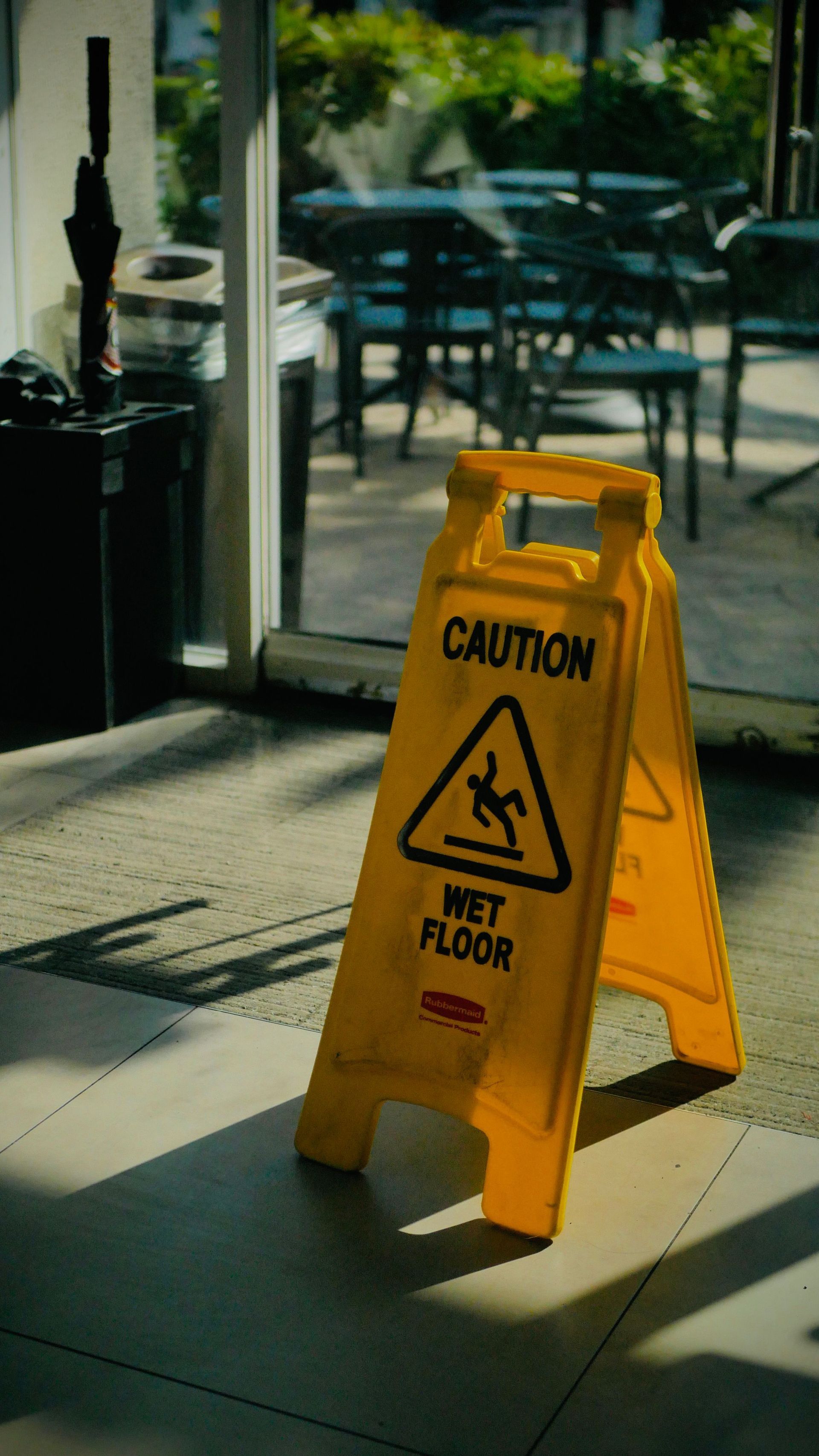
How Commercial Cleaning Addresses Facility Demands
Commercial cleaning differs from residential work in scope, timing, and standards—businesses require service that completes outside operating hours or during low-traffic windows, handles higher square footage and heavier soiling, and meets presentation standards that affect professional reputation. Work for fairground and concert facilities demonstrates capability handling post-event cleanup where debris volume, tight turnaround timing, and varied mess types all challenge standard approaches, though specific facility names remain general until permission to reference them gets confirmed.
When service runs consistently, you notice floors that stay presentable between cleanings rather than visibly declining daily, restrooms where supplies stay stocked and fixtures stay sanitary, and entry areas where first impressions support your business instead of undermining it. Staff stops diverting time to emergency spot-cleaning because routine service prevents conditions from reaching crisis levels, and you avoid the reputation damage that comes when clients or customers encounter neglected facilities.
Exact cleaning tasks, frequencies, and recurring service arrangements stay flexible until verified because commercial properties vary widely in size, use patterns, and priority areas. Retail spaces prioritize customer-facing zones, offices focus on workspaces and conference rooms, and event facilities need rapid post-event turnaround—service adapts to those differences rather than applying uniform plans across dissimilar contexts.
Answers to Frequent Service Questions
Business and facility managers evaluating janitorial service often ask about logistics, scheduling, and service scope before finalizing arrangements.
What tasks typically fall under commercial janitorial service?
Floor cleaning and maintenance, restroom sanitation and supply restocking, trash and recycling removal, surface wiping and disinfection, entryway care, and similar routine tasks generally fit the scope. Specialized cleaning requiring restoration equipment, hazardous material certification, or trade licensing falls outside standard janitorial boundaries.
How does scheduling work around business operations?
Service typically occurs outside operating hours to avoid disrupting workflow or customer experience, though some businesses prefer daytime cleaning in low-traffic areas. Billings-area facilities with evening events, overnight operations, or weekend closures all require scheduling flexibility that accommodates actual availability rather than standard nine-to-five assumptions.
When should facilities expect to see consistent results?
Initial cleanings address existing buildup and establish baseline conditions, while recurring service maintains those standards rather than fighting constant decline. Results stabilize once frequency matches traffic volume and soiling rates, preventing the cycle where spaces look good immediately after cleaning but deteriorate rapidly before the next service.
Why does commercial cleaning cost differ across facilities?
Square footage, cleaning frequency, task complexity, after-hours timing requirements, and supply responsibilities all affect cost. A small office needing weekly daytime service involves different labor and logistics than a large event facility requiring rapid post-event turnaround with supplied products.
What information helps develop accurate janitorial plans?
Facility size and layout, business type and operating hours, current cleaning frequency and pain points, high-priority areas, traffic volume, and whether the business supplies products or expects the service to provide them all shape planning. Knowing whether restrooms, floors, or customer-facing areas matter most clarifies focus.
LP Services Hauling & Installing applies its established south-central Montana presence and hands-on cleanup background to commercial janitorial work rather than entering the field without related experience. Contact the business with details about your property size, service priorities, and scheduling needs to begin planning janitorial support that matches your facility's specific demands.